Home » Easy Mango Sago with Coconut Milk and Tapioca Pearls
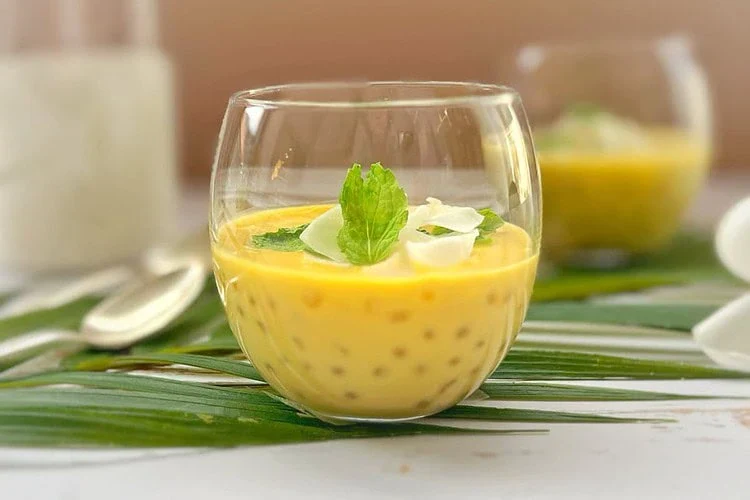
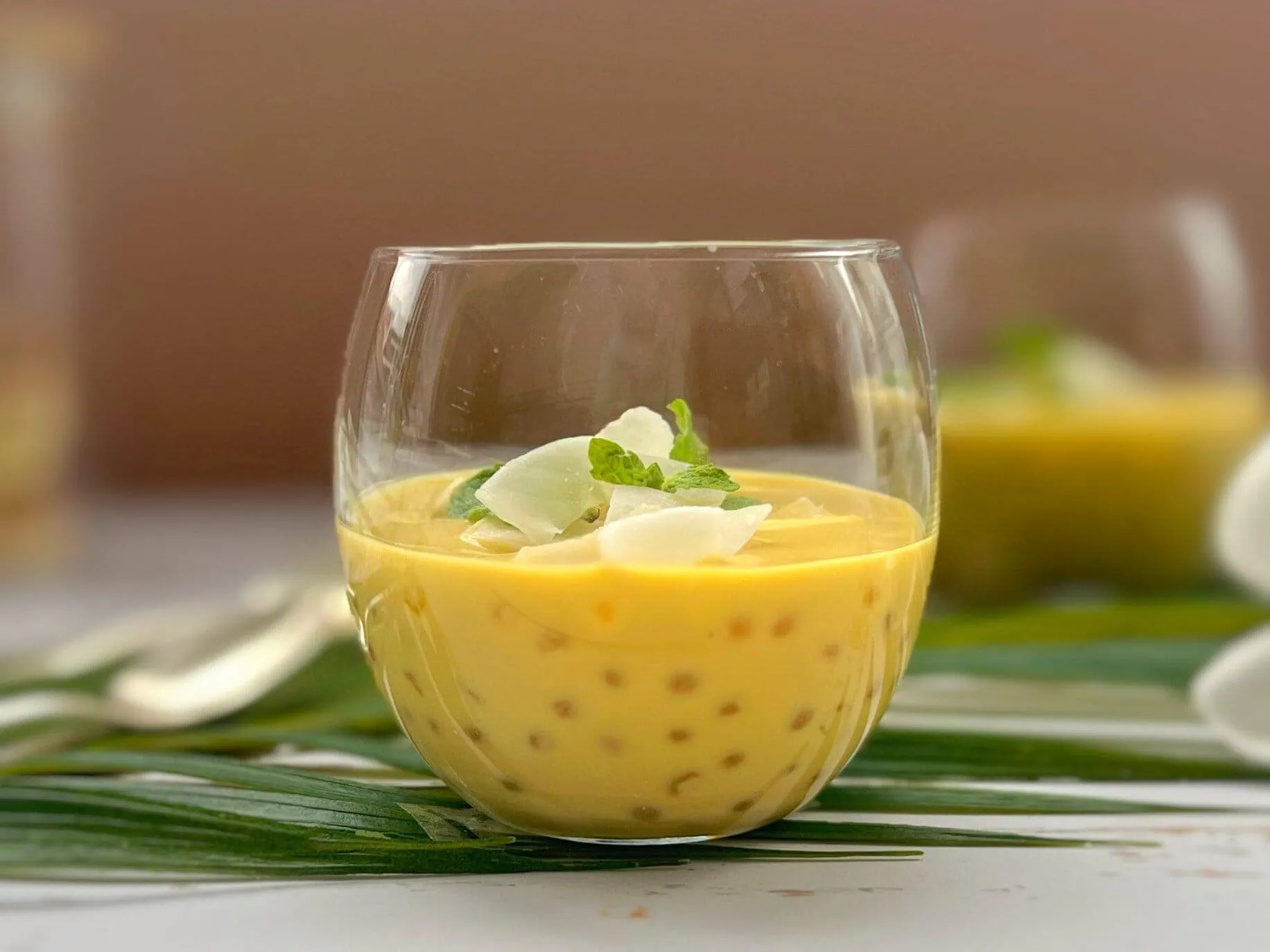
Mango sago with coconut milk and tapioca pearls, topped with coconut shavings and mint

Easy Mango Sago with Coconut Milk and Tapioca Pearls

Have you ever tried mango sago? This easy, refreshing Asian dessert combines coconut milk, mango, and tiny tapioca pearls. It’s creamy without being heavy, full of fresh mango flavor, and best served ice-cold.

I make this mango sago recipe two ways. When I can find ripe, fragrant mangoes, I dice them and add them right before serving. Otherwise, I blend mango puree straight into the coconut milk for a silky version that’s packed with mango flavor. I really can’t choose between them!

Either way, it’s a simple dessert you can make mostly ahead of time and keep in the fridge until you’re ready to serve.

Published on September 26, 2026

4.9 from 12 votes

PREP TIME

5 min

COOK TIME

20 min

DIFFICULTY

Easy

STORAGE

3 days

Mango sago topped with diced fresh mango and lime zest in a glass

A Hong Kong Dessert Born in Singapore

Today, mango sago (sometimes called mango and sago pudding) is a staple in Hong Kong dessert shops.

But its best-known version, mango pomelo sago, was reportedly born in Singapore in 1984. As the story goes, chefs from Lei Garden, a Hong Kong restaurant group getting ready to open its first Singapore location, came up with this chilled dessert using the tropical fruit they found there. The original combined mango, pomelo, coconut milk, and small sago pearls. It then made its way to Hong Kong and across Asia, inspiring countless variations.

My version is even simpler: no dairy, usually no pomelo, just coconut milk, mango, and small tapioca pearls.

Sago vs. Tapioca Pearls

Technically, sago and tapioca aren’t the same thing. Sago is a starch extracted from certain palm trees, while tapioca comes from cassava root. These days, though, most mango sago is made with small tapioca pearls, which are also much easier to find in the U.S.

In France, they’re sold under the lovely name perles du Japon (“Japanese pearls”), which, let’s be honest, sounds a lot more tempting than “tapioca.” That pretty name never fooled me as a kid, though: I couldn’t stand the texture of tapioca. It took mango sago to win me over! Here in the U.S., I use Bob’s Red Mill Small Pearl Tapioca, which works perfectly.

Don’t confuse them with the big, chewy pearls in boba tea. You want the small ones here: once cooked, they’re soft and delicate, never chewy.

Ingredients You’ll Need

You only need a few ingredients for this mango sago dessert, so the mango really is the star here.

Mango: Choose ripe, fragrant mangoes that give slightly when you press them, without being mushy. When I find good ones, I dice them and add them right before serving. When fresh mangoes aren’t at their best, mango puree is a great option: it makes the coconut base smoother and gives it even more mango flavor. If your puree is already sweetened, just cut back on the sugar.

Full-fat canned coconut milk: This gives the dessert its creamy texture. Skip the coconut milk sold in cartons in the refrigerated aisle: it’s a beverage and far too thin for this.

Small pearl tapioca: You’ll usually find it in the baking aisle or at Asian grocery stores. Just don’t grab Minute Tapioca by mistake: it’s a quick-cooking granulated version meant for thickening pie fillings, and it won’t give you those little pearls.

Sugar: How much you need depends on how sweet your mango is, so taste as you go.

Salt: Just a pinch. You won’t taste it, but it brings out the sweetness of the mango and coconut.

Two glasses of mango sago made with mango puree, topped with coconut shavings and fresh mint

How to Make Mango Sago

1. Cook the Tapioca Pearls

This dessert couldn’t be easier: the only thing that needs a little attention is the tapioca.

Bring a saucepan of water to a boil, then gradually sprinkle in the tapioca pearls. Let them cook for 15 to 20 minutes, depending on the brand, stirring from time to time so they don’t clump together. Don’t just go by the timer, though: the pearls are ready when they’re translucent, with no white dot left in the center.

Drain them immediately and rinse well under cold running water to stop the cooking and wash off some of the excess starch. If you’re not assembling the dessert right away, keep the pearls in a bowl of cold water so they don’t stick together.

When it’s time to add them to the coconut milk, drain them, but don’t worry about getting every last drop of water off: a little water actually helps loosen the mixture.

2. Make the Coconut Milk Base

Stir together the coconut milk, sugar, and a small pinch of salt. If the sugar doesn’t dissolve easily, warm the mixture gently on the stove or give it a few seconds in the microwave, then let it cool before adding the tapioca.

Stir in the cooked tapioca pearls and taste. Add a little more sugar if needed, but go easy: the mango will add sweetness too.

Canned coconut milk varies quite a bit from brand to brand. You’re looking for a creamy texture, a bit like regular (not Greek) yogurt: thick, but still loose enough to fall easily from a spoon. If yours is especially thick or tastes very strong, stir in a tiny splash of water. Most of the time, though, you won’t need to.

3. Add the Mango

Chill the coconut-tapioca mixture in the fridge for at least 30 minutes. For the fresh mango version, I like to dice the mango at the last minute so it stays fresh and glossy, and the dessert looks so much prettier.

For every cup of coconut-tapioca mixture, add about 1/3 to 1/2 cup diced mango, depending on how fruity you like it.

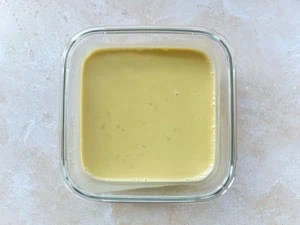
For the mango puree version, blend or stir the puree directly into the coconut milk before adding the cooked tapioca.

Serve your mango sago well chilled. I like to finish it with a little finely grated lime zest. It’s optional, but that fresh citrus note is lovely with the mango and coconut, and the bright green looks so pretty against the yellow. In the photos, I also topped it with a few coconut shavings and a sprig of fresh mint.

Can You Make Mango Sago Ahead of Time?

Yes, and that’s one of the reasons I love this dessert so much! The coconut-tapioca mixture keeps for up to three days in a covered container in the fridge.

The pearls keep soaking up liquid as they sit, so the texture changes a little over time. For the first couple of hours, they stay small and barely noticeable; by the next day, they’ve plumped up and the dessert is a bit thicker. That’s why a single tablespoon of tapioca is all you need. If you’re serving it the same day and want the pearls to stand out a little more, you can add a bit extra (just don’t overdo it).

Coconut milk also thickens naturally in the fridge. If the mixture looks thicker than expected when you take it out, don’t rush to add water. Let it sit at room temperature for a few minutes and give it a good stir. More often than not, it’ll loosen up and turn creamy again on its own.

Hélène Thiers

Made It, or Tempted?

4.9 from 12 votes

I’d love to hear what you think!
Just click the stars above to rate the recipe.

It only takes a second, and it helps other home cooks find recipes they’ll love.

Easy Mango Sago with Coconut Milk and Tapioca Pearls

Recipe by Hélène Thiers
4.9 from 12 votes

This easy mango sago is a refreshing Asian dessert made with coconut milk, mango, and small tapioca pearls. Makes about six small servings.

Course: DessertCuisine: Hong Kong-styleDifficulty: Easy
Servings

6

servings
Prep time

5

minutes
Cook time

20

minutes
Chill time

30

minutes
Cook mode

Pour garder la recette visible pendant que je cuisine

Ingredients

  • 1 tablespoon small pearl tapioca (such as Bob’s Red Mill), not boba pearls

  • 1 cup full-fat canned coconut milk (a little over half a 13.5-oz can)

  • 1 small ripe mango (about 1/2 cup diced)

  • 1/4 cup granulated sugar, or to taste

  • Pinch of salt

  • A splash of water, if needed

  • Finely grated lime zest, for serving (optional)

  • For the mango puree variation
  • 1/2 cup plus 2 tablespoons mango puree or canned mango pulp, instead of fresh mango

Instructions

  • Cook the tapioca pearls
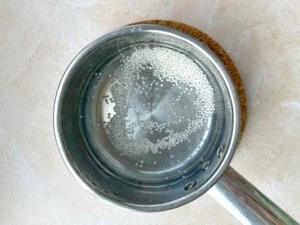
    Bring a saucepan of water to a boil. Gradually sprinkle in the tapioca pearls and cook for 15 to 20 minutes (or according to the package directions), stirring occasionally so they don’t stick together. They’re done when they’re translucent, with no white center.
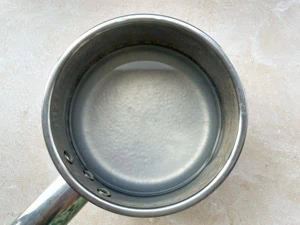
    Below: the tapioca pearls before and after cooking.
    Small tapioca pearls before cooking, white and opaqueCooked tapioca pearls, translucent with no white center
  • Rinse the tapioca pearls
    Drain the pearls, then rinse them under cold running water to stop the cooking and remove excess starch. If you’re not using them right away, keep them in cold water until you’re ready to assemble.
  • Make the coconut milk base
    Mix the coconut milk with the sugar and salt. If the sugar doesn’t dissolve easily, gently warm the mixture, then let it cool. It should be about the consistency of regular (not Greek) yogurt. If your coconut milk is especially thick or tastes very strong, add a small splash of water.
    For the mango puree version, stir the puree into the coconut milk now. If it’s already sweetened, use less sugar.
  • Adjust the sweetness
    Taste and add more sugar if desired, keeping in mind that the mango will also add sweetness.
  • Add the tapioca pearls
    Stir in the pearls (no need to drain them perfectly). Cover and refrigerate for at least 30 minutes, until well chilled.
    Below: mango sago made with mango puree. Coconut-tapioca mixture blended with mango puree in a glass container
  • Let the mixture loosen up
    Take the coconut-tapioca mixture out of the fridge and let it sit at room temperature for a few minutes, since coconut milk firms up when chilled. Give it a good stir.
  • Prepare the mango
    Peel and dice the mango just before serving so it stays fresh and glossy.
  • Assemble the mango sago
    Divide the coconut-tapioca mixture among the glasses and top with the diced mango (about 1/3 to 1/2 cup mango for every cup of coconut mixture).
    Sprinkle with a little lime zest, if you like, and serve right away.
Minute Papillote Tip

  • Got a mango that’s a little too ripe to dice neatly? I blend it into a puree and stir it into the coconut milk. Nothing goes to waste!

Frequently Asked Questions

Can I Make Mango Sago with Frozen Mango?

Yes! Once thawed, frozen mango gets a bit mushy, so I save it for the puree version rather than serving it diced. Just thaw it, blend until smooth, and stir it into the coconut milk. It’s an easy way to enjoy mango sago when good fresh mangoes are out of season.

Yes, but coconut cream is much thicker and has a more concentrated coconut flavor. Start with the coconut cream, then gradually stir in a little water until it’s creamy but still loose. That said, full-fat canned coconut milk is the easiest option and gives the most reliable results. Just don’t mix it up with cream of coconut (like Coco López): it’s heavily sweetened and meant for cocktails.

I wouldn’t. The big pearls used in bubble tea are much chewier and need a different cooking method. Stick with small pearl tapioca: once cooked, the pearls are so delicate they almost melt into the coconut mixture.

Absolutely! Pomelo is what turns it into the classic mango pomelo sago. Its slightly tart, citrusy bite balances the sweet mango and creamy coconut. Peel it, break the flesh into small pieces, and add it with the diced mango just before serving. Can’t find pomelo? Pink grapefruit works too.

If you have pomelo left over, you can also use it in my Thai pomelo salad.

More Easy Tropical Desserts

If you love fresh, fruity desserts, you might also like these.

An easy coconut flan made without condensed milk

Coconut Flan Without Condensed Milk (coming soon in English)

An easy coconut flan without condensed milk. As it bakes, it naturally separates into two textures.

Light, tangy passion fruit mousse

Passion Fruit Mousse (coming soon in English)

A light, airy, and tangy mousse—currently available in French, with an English version on the way.


Leave a Comment

Your email address will not be published. Required fields are marked *

*

This site uses Akismet to reduce spam. Learn how your comment data is processed.